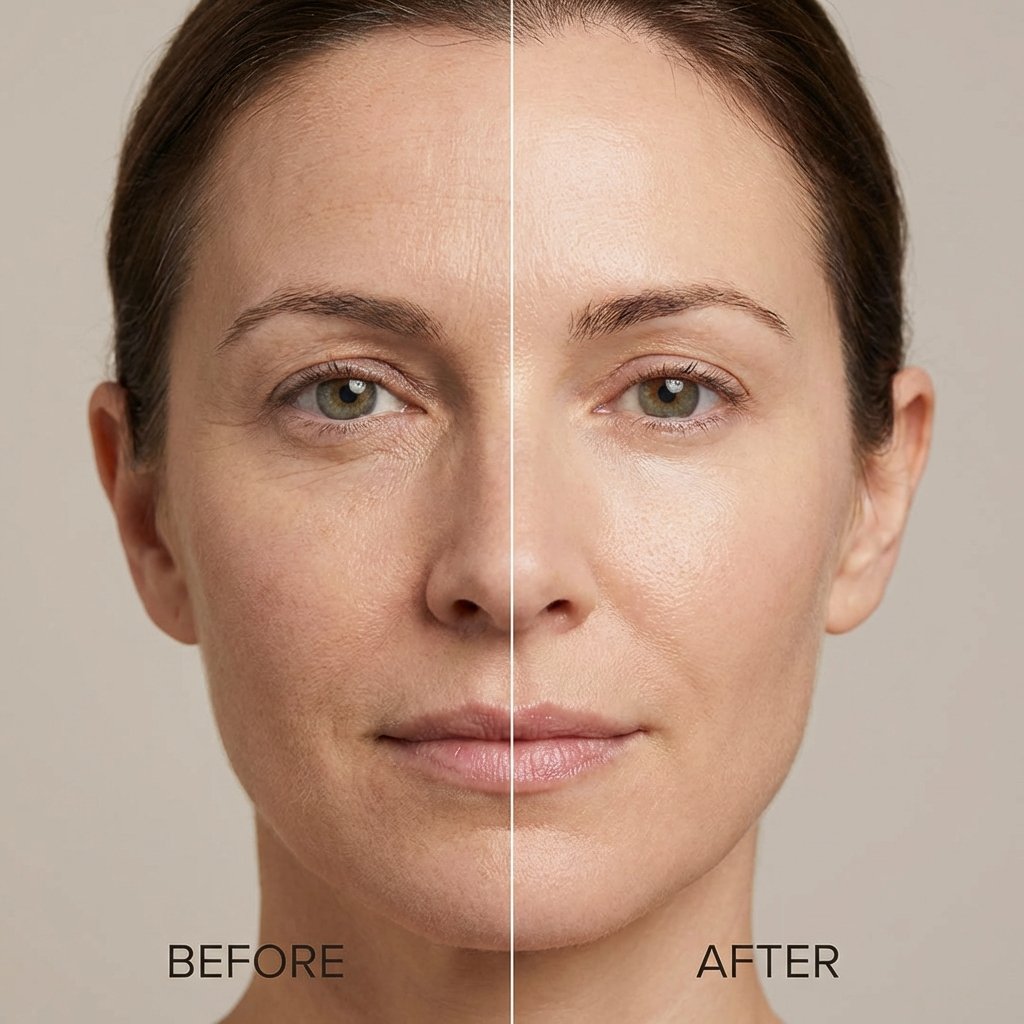
Uneven texture is one of the trickiest skin concerns to self-diagnose, since it can stem from several completely different underlying causes.
What's Really Behind Rough or Bumpy Skin
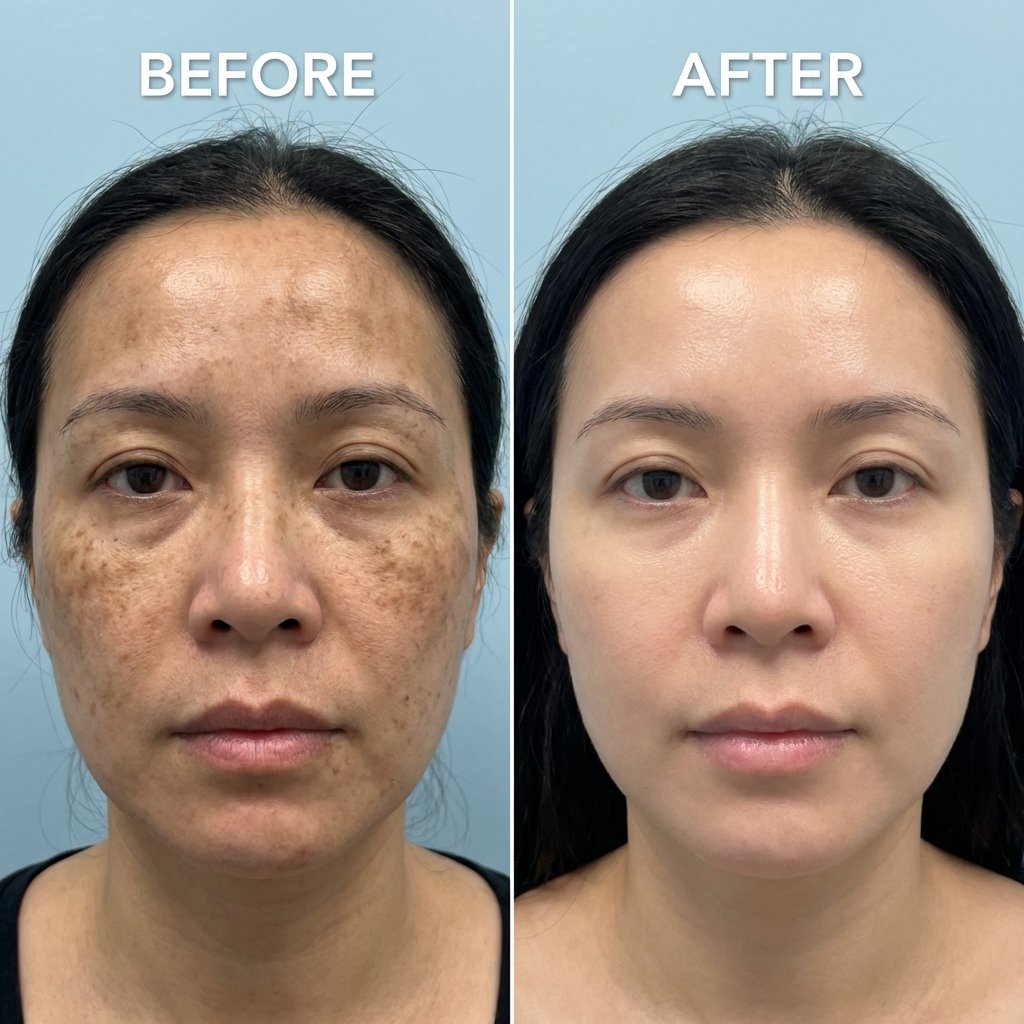
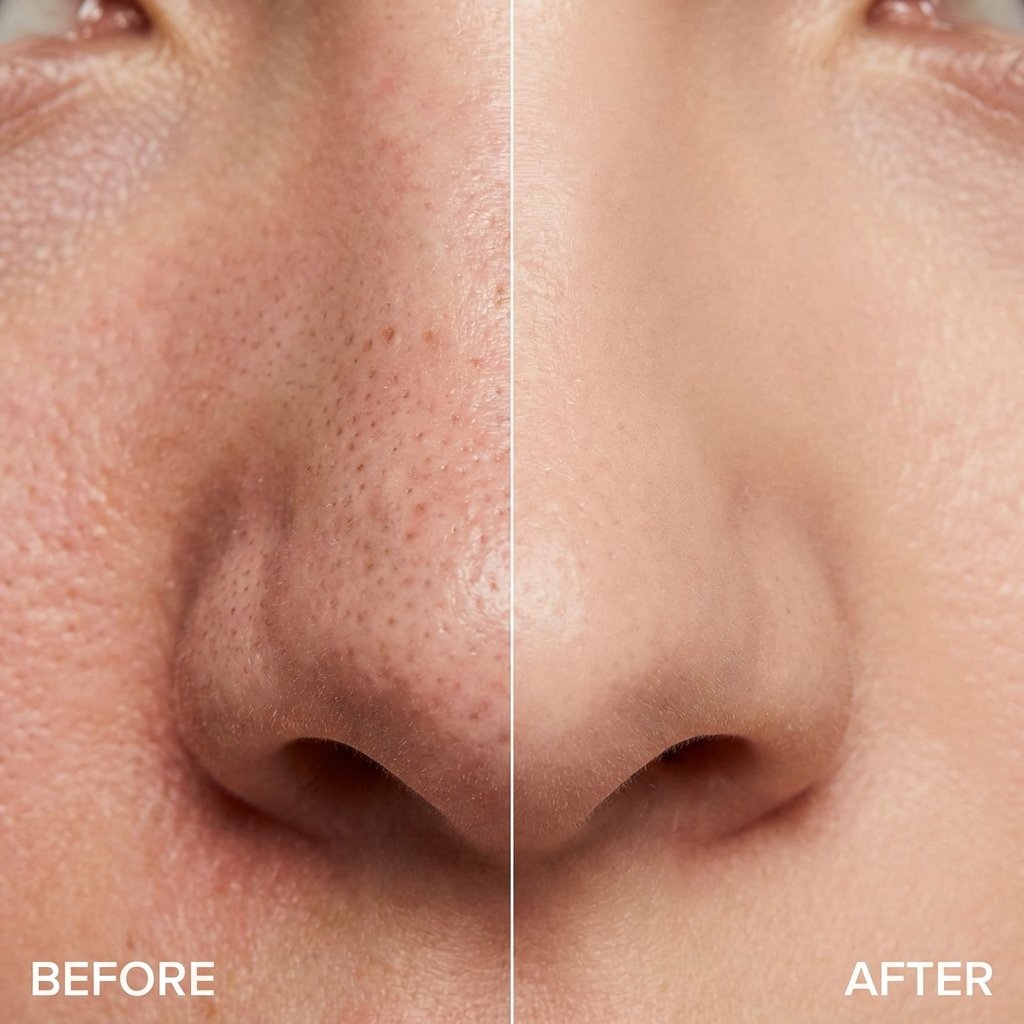
Old acne scarring, enlarged pores, dehydration, buildup of dead skin cells, and even sun damage can all present as 'uneven texture' — which is exactly why identifying the specific cause matters before choosing a treatment.
Texture vs Tone: Not the Same Problem
Uneven skin tone refers to colour variation, while uneven texture is about the physical surface of the skin — some people have both, but treating one doesn't automatically fix the other.
Treatments That Improve Texture
- Derma polishing for surface-level smoothing
- Chemical peels to encourage cell turnover
- Advanced facials to support hydration and barrier health
- Microneedling-adjacent treatments for deeper textural concerns like old scarring
Building a Realistic Routine
Texture improves gradually with consistent treatment and proper home care — most people notice a visible difference after 3 to 4 sessions spaced a few weeks apart.
Ready to Get Started?
Get your skin texture properly assessed to find the right resurfacing approach for you.
Book a ConsultationAreas We Serve Near Our GK2 Clinic
Frequently Asked Questions
Can uneven texture be fixed with just moisturiser?
Hydration helps with dehydration-related roughness, but scarring or buildup-related texture usually needs professional exfoliation or resurfacing treatments.
How is texture different from acne scars?
Acne scars are a specific type of textural irregularity caused by past breakouts, while general uneven texture can also come from dryness, sun damage or congestion without any history of acne.