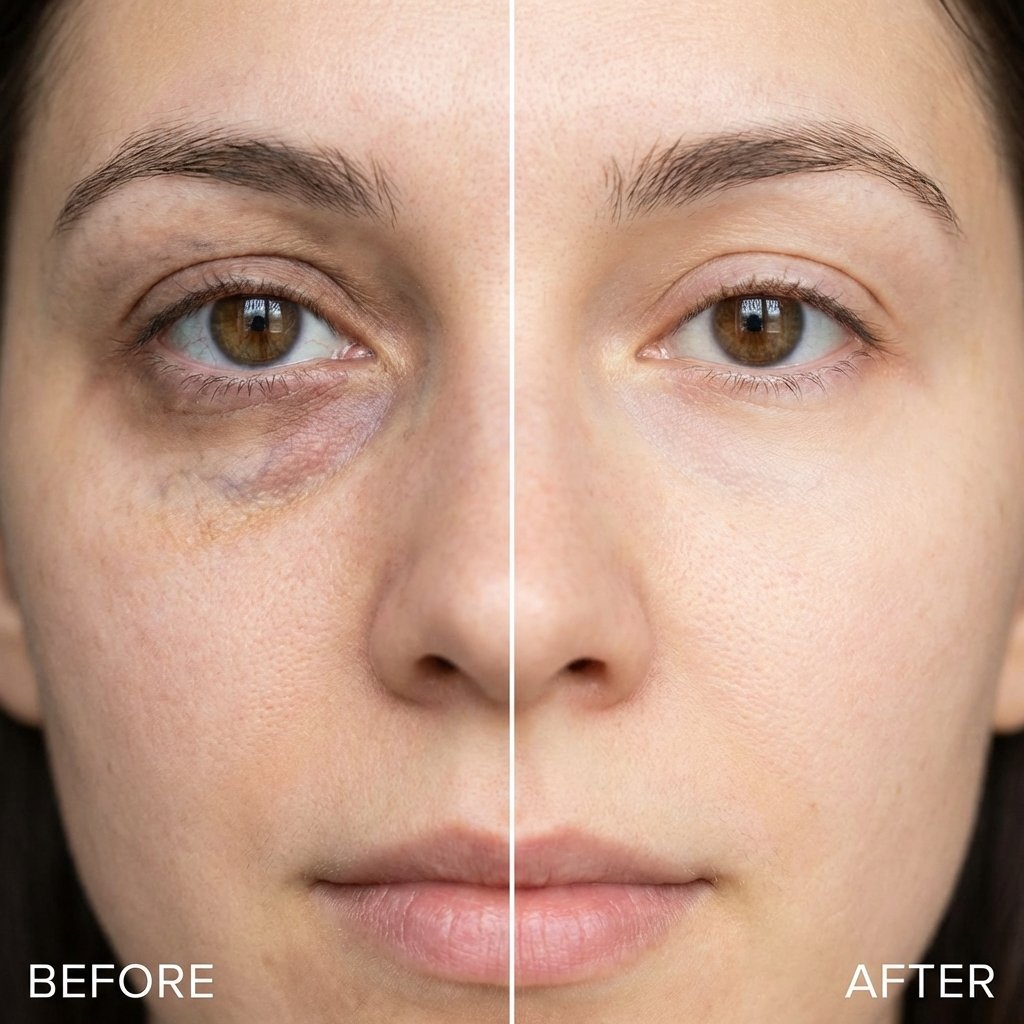
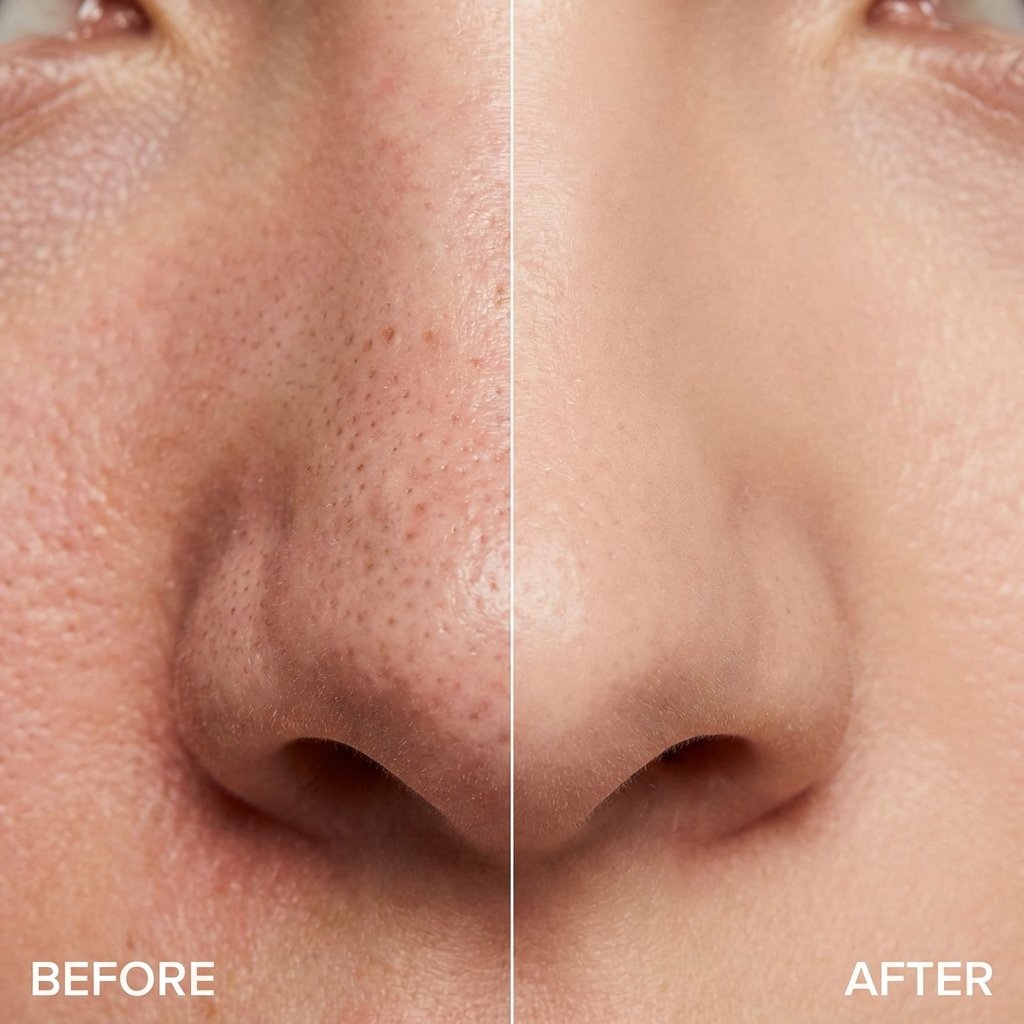
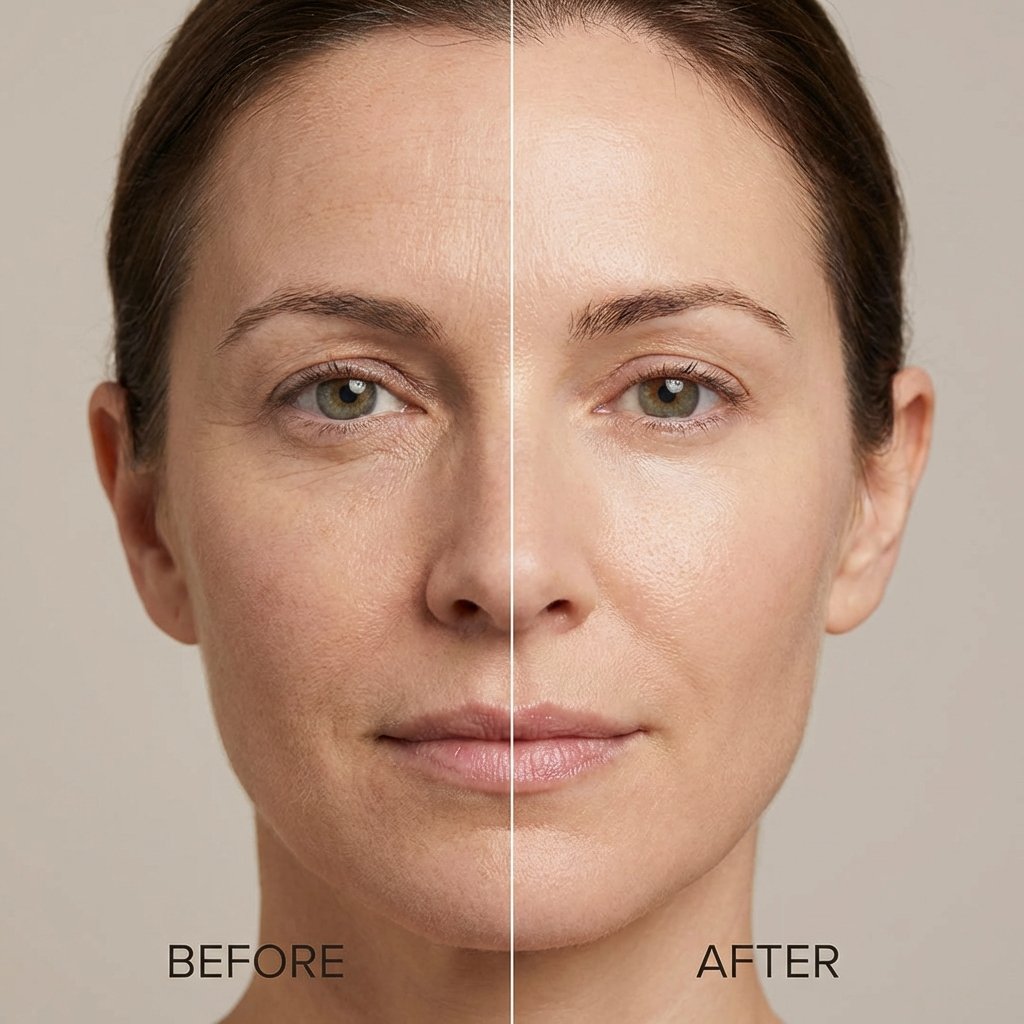
Delhi's combination of intense sun and pollution makes pigmentation one of the most common skin concerns we see — here's how to understand and treat it properly.
Common Causes of Pigmentation
Sun exposure, hormonal changes, post-inflammatory marks from acne, and pollution-related oxidative stress are among the most common triggers for pigmentation in Delhi residents.
Types of Pigmentation to Identify
- Sun spots and tanning-related pigmentation
- Melasma, often linked to hormonal changes
- Post-inflammatory hyperpigmentation from acne or injury
- Age-related pigmentation
Treatment Options Available
Depending on the type and depth of pigmentation, options range from topical brightening actives and chemical peels to more targeted treatments like carbon laser facials — a proper diagnosis determines what will actually work.
Preventing Pigmentation From Worsening
Daily SPF application, avoiding peak sun hours, and treating acne promptly to prevent post-inflammatory marks are the three most effective prevention habits for Delhi's climate.
Ready to Get Started?
Get a proper diagnosis and treatment plan for pigmentation at Rupayna, Greater Kailash II.
Book a Pigmentation ConsultationAreas We Serve Near Our GK2 Clinic
Frequently Asked Questions
Can pigmentation be completely removed?
Many types respond well to treatment, though results and timelines vary depending on the cause and depth of the pigmentation.
Is melasma treatable?
Melasma can be managed and significantly improved with the right combination of topical treatment and in-clinic procedures, though it may require ongoing maintenance.