Under-eye bags and dark circles often get lumped together, but they're two different concerns — and mixing up the cause usually means the treatment won't work.
Puffiness vs Pigmentation
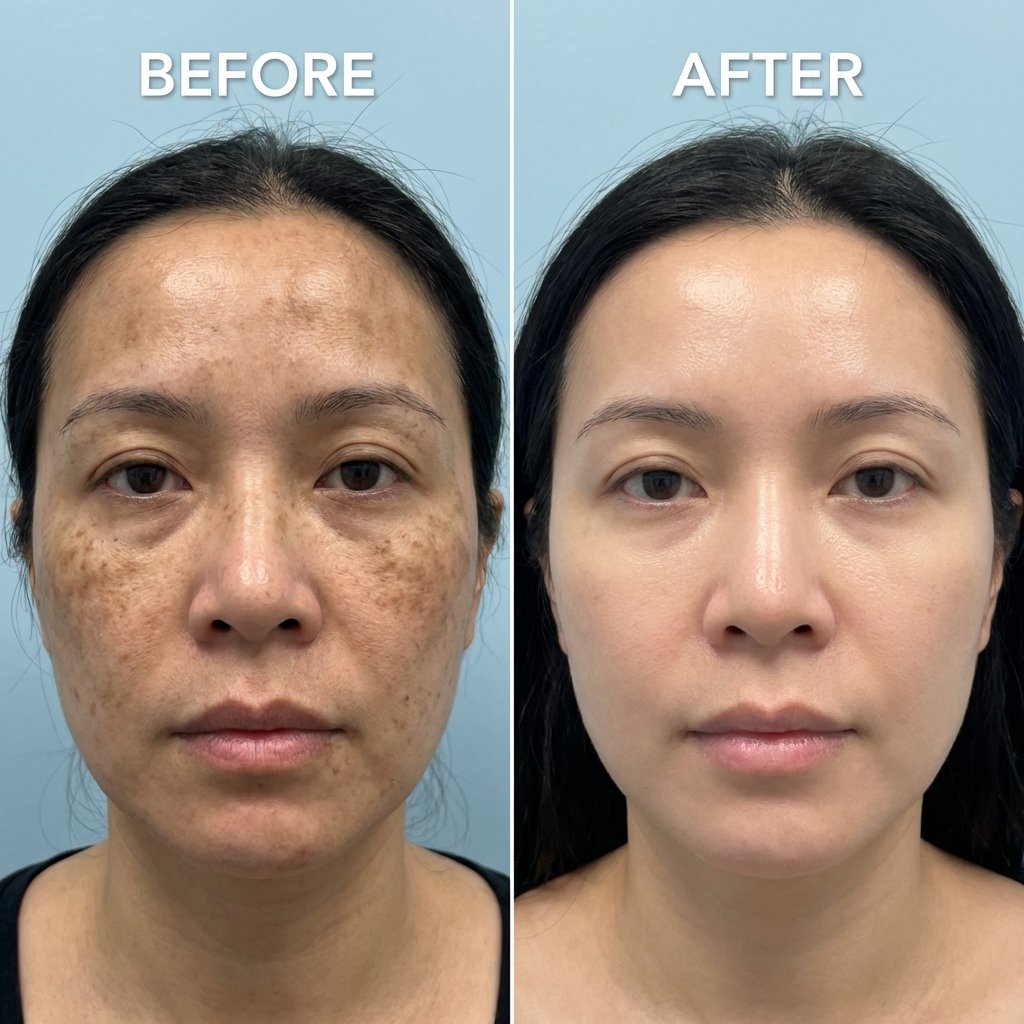
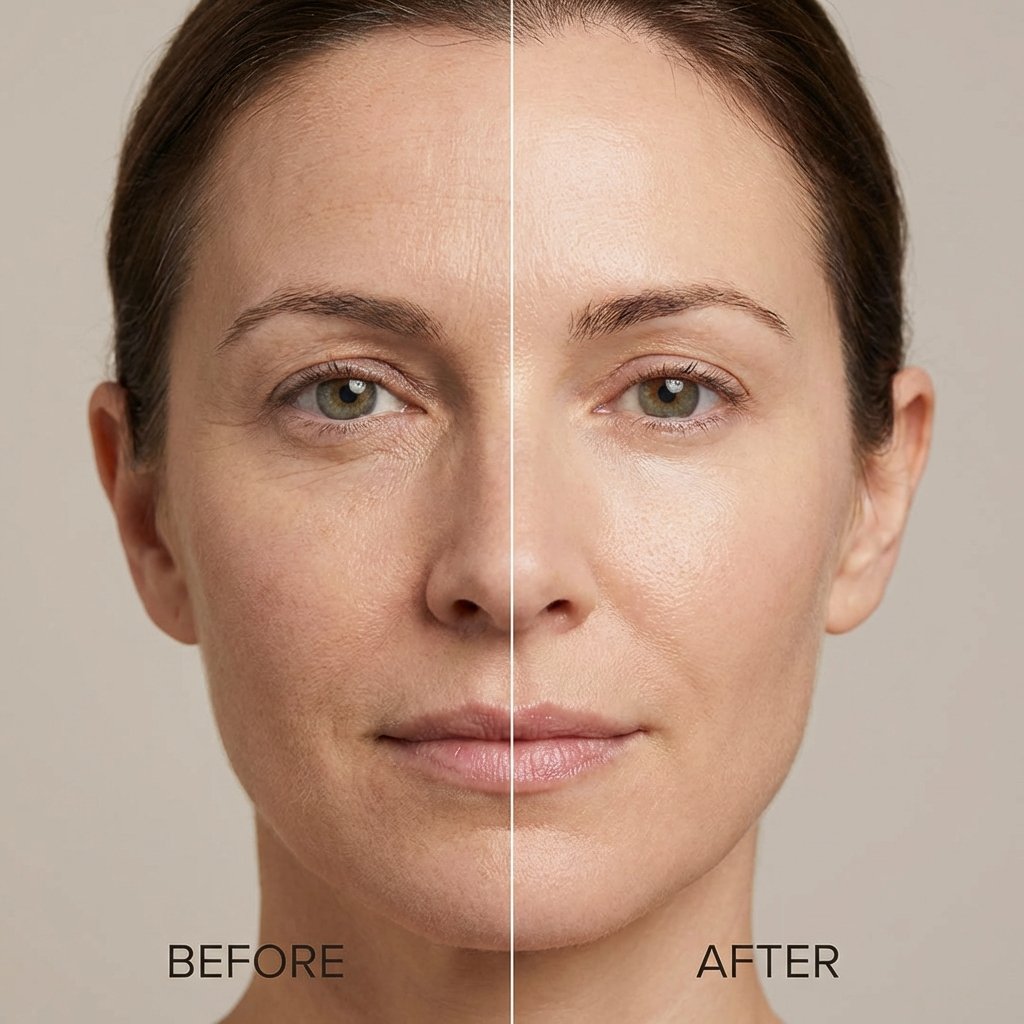
Under-eye bags are typically caused by fluid retention, fat pad prominence, or weakening of the skin's support structure with age — this is different from pigmentation-based dark circles, and needs a different treatment path.
Everyday Factors That Make It Worse
- High salt intake and dehydration
- Poor sleep quality and irregular sleep schedules
- Allergies causing fluid buildup around the eyes
- Excess screen time straining the eye area
When to Consider In-Clinic Treatment
If bags persist despite good sleep and hydration, it's usually structural — treatments like PRP to improve skin quality, or filler to smooth the transition between the lower lid and cheek, tend to give more lasting improvement than topical products alone.
What Not to Expect
No cream will resolve genuinely structural under-eye bags — being honest about this upfront saves time and money, and a consultation will tell you quickly which category your concern falls into.
Ready to Get Started?
Find out whether your under-eye bags are fluid-related or structural, and what actually helps.
Book a ConsultationAreas We Serve Near Our GK2 Clinic
Frequently Asked Questions
Do under-eye bags mean I'm not sleeping enough?
Not always — while poor sleep can worsen puffiness, many cases are structural and related to fat pad position or skin laxity that develops with age.
Is filler safe for under-eye bags?
Yes, when used conservatively and skilfully in the right candidates, filler can smooth the under-eye transition — but it isn't right for every case, which is why an assessment matters.