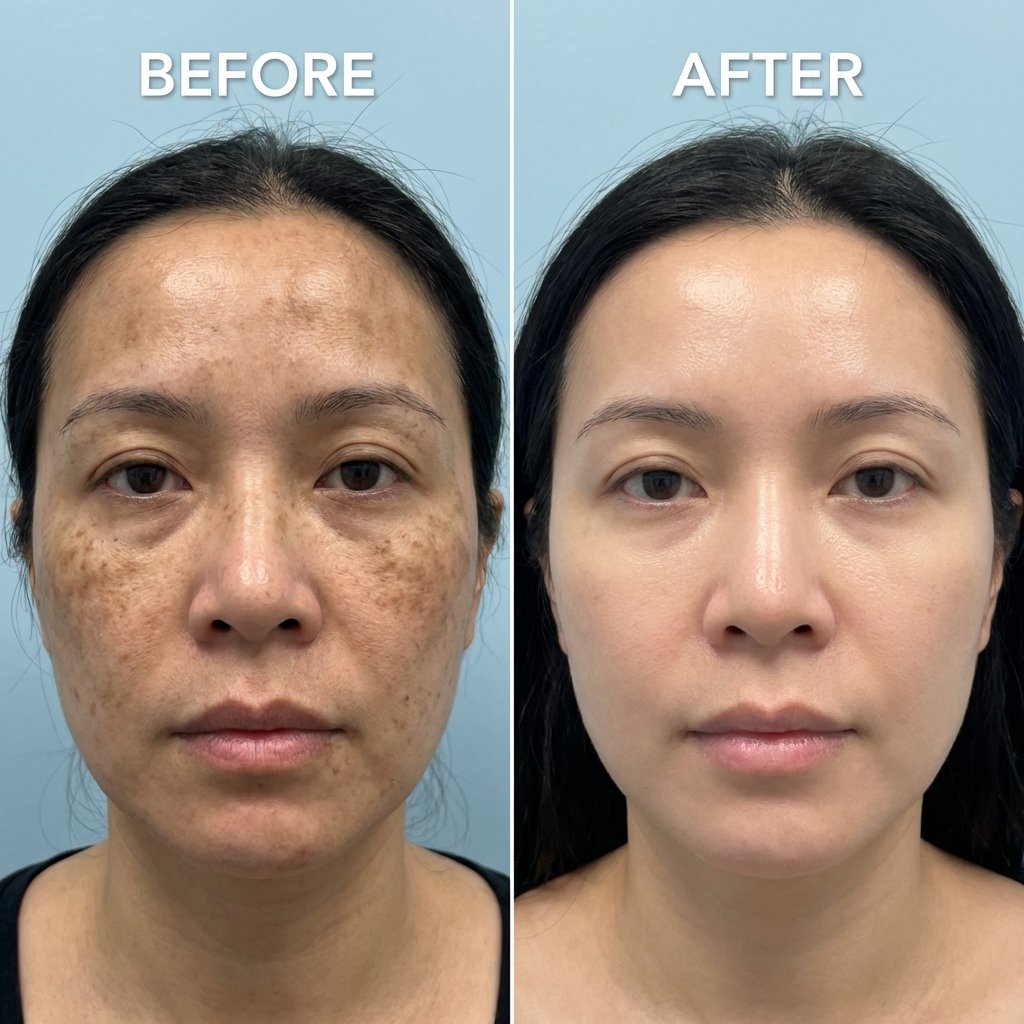
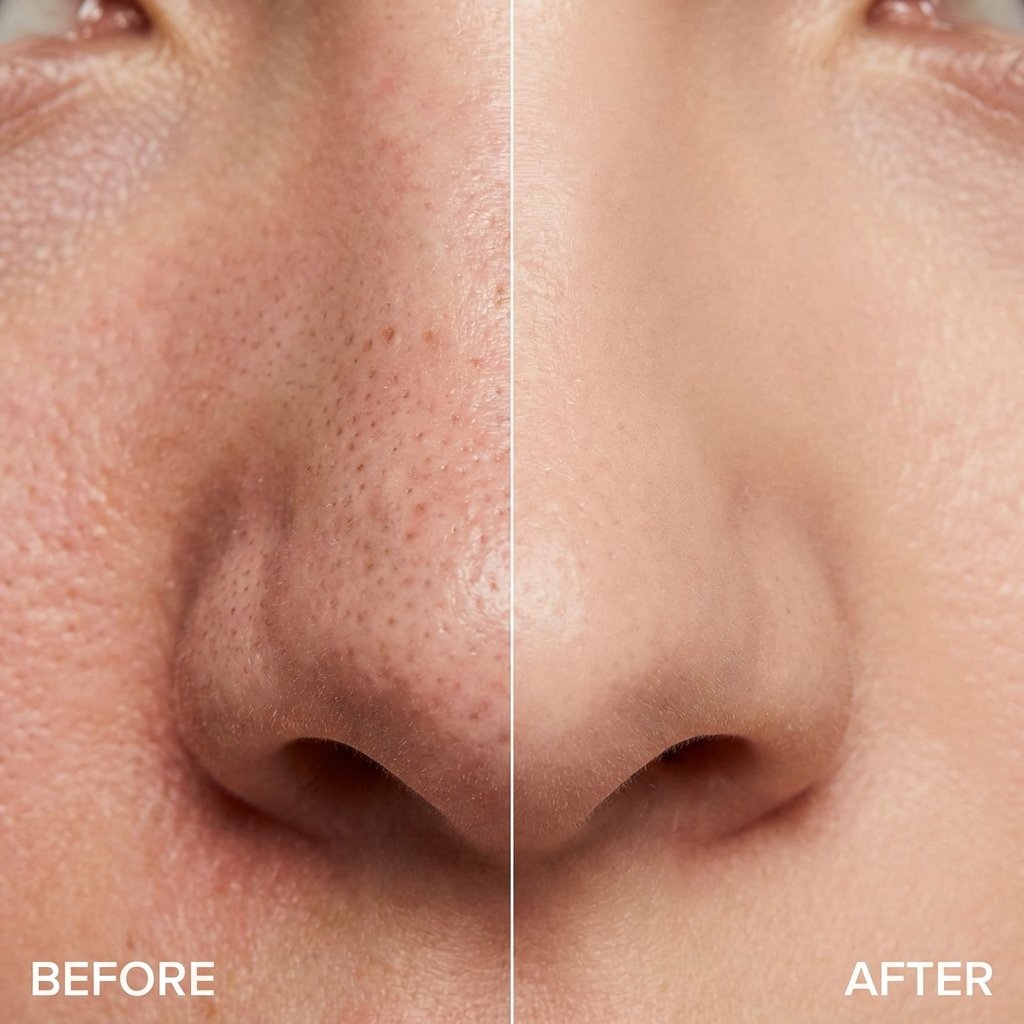
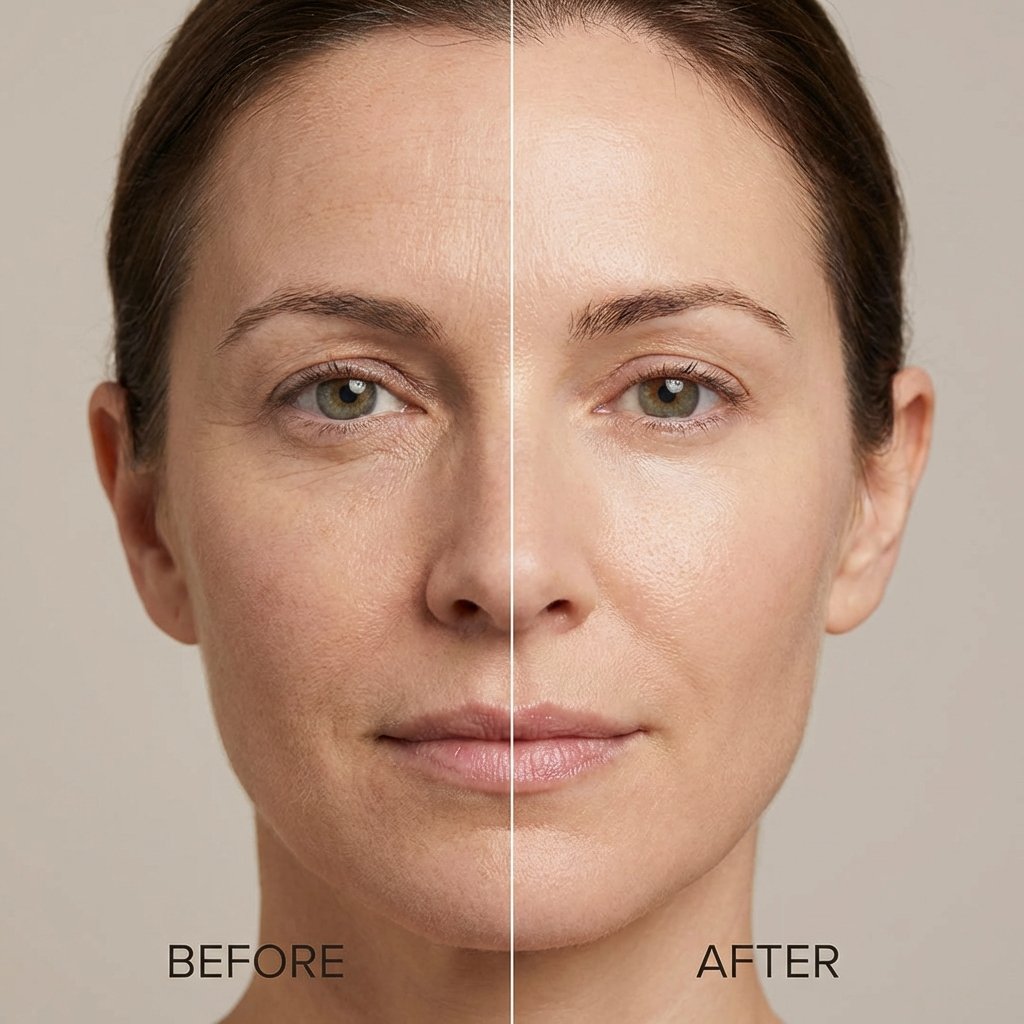
PCOS often makes itself known through the skin and hair first, long before other symptoms are recognised — and managing these visible signs needs a coordinated approach.
How PCOS Shows Up on Skin and Hair
Elevated androgen levels associated with PCOS commonly cause persistent jawline and chin acne, excess facial or body hair growth (hirsutism), and thinning hair at the crown — often all at once, which is a distinct pattern worth recognising.
Why Treating Symptoms in Isolation Falls Short
Treating the acne without addressing hair growth, or vice versa, often leads to frustration, since all these symptoms stem from the same underlying hormonal pattern — a coordinated approach tends to work better.
A Coordinated Treatment Approach
- Targeted acne treatment for hormonal breakout patterns
- Laser hair removal to manage excess hair growth long-term
- PRP/GFC for hair thinning linked to hormonal factors
- Working alongside your gynaecologist or endocrinologist where needed
Patience and Consistency Matter
Because these are hormonally driven concerns, results build gradually with consistent treatment, and managing expectations around timelines helps avoid frustration along the way.
Ready to Get Started?
Get a coordinated plan for PCOS-related skin and hair concerns, rather than treating symptoms separately.
Book a ConsultationAreas We Serve Near Our GK2 Clinic
Frequently Asked Questions
Can PCOS-related acne be treated without hormonal medication?
Topical and in-clinic treatments can meaningfully improve PCOS-related acne, though working with your doctor on any underlying hormonal factors often improves results further.
Is laser hair removal effective for PCOS-related hair growth?
Yes, laser hair removal remains effective for managing excess hair growth, though maintenance sessions may be needed more frequently if hormonal levels remain elevated.