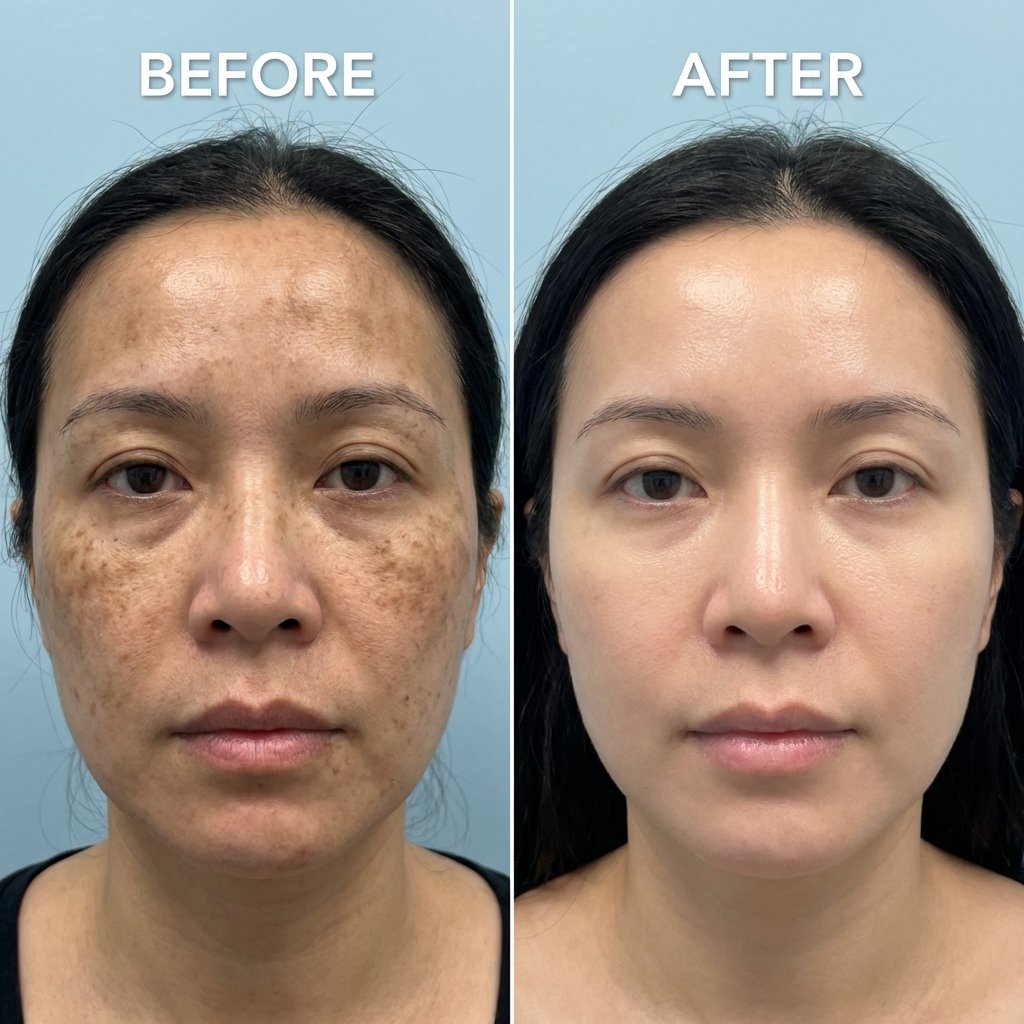
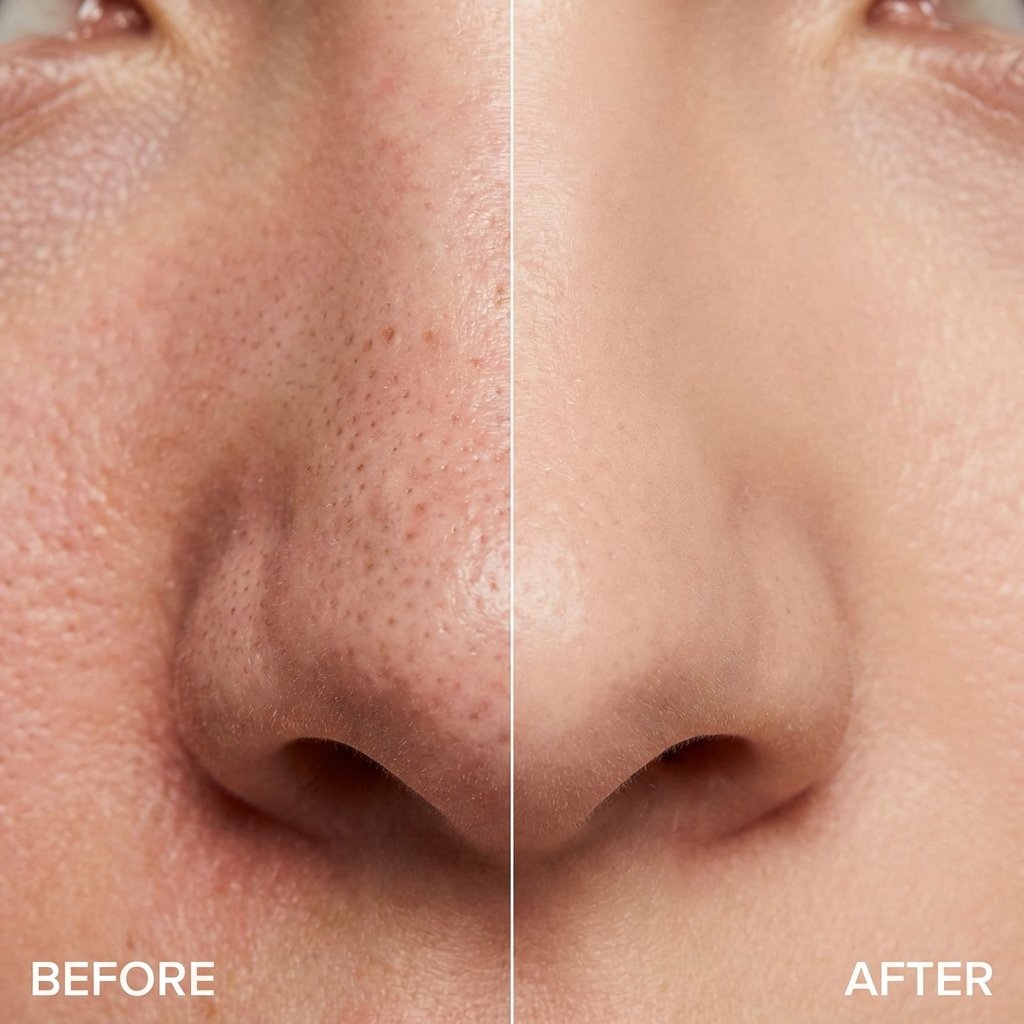
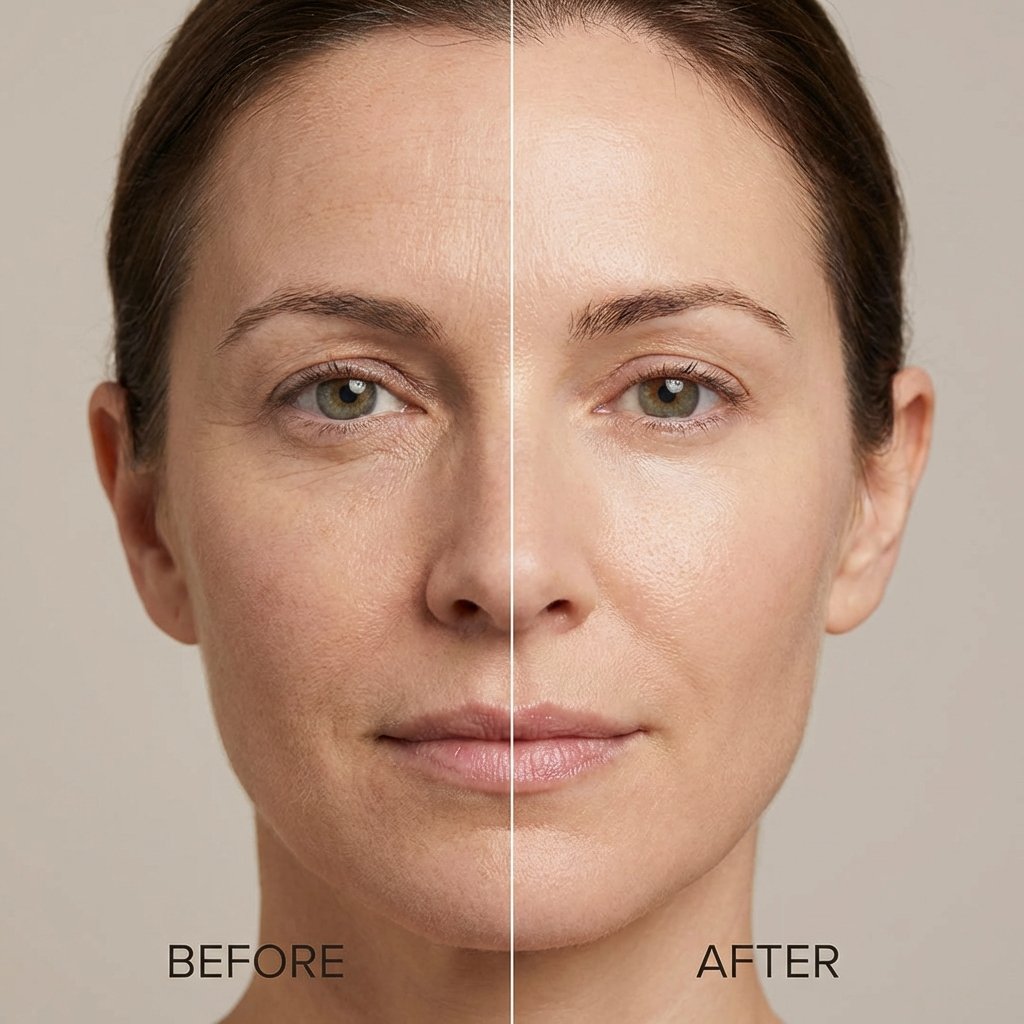
Melasma is often mistaken for ordinary sun tan or pigmentation, but it behaves very differently and needs a far more patient, structured treatment approach.
What Makes Melasma Different
Unlike surface pigmentation from sun exposure alone, melasma is driven by a combination of hormonal activity, UV exposure and heat, and tends to appear as symmetrical brown-grey patches on the cheeks, forehead and upper lip. It sits deeper in the skin, which is why it responds slowly and can flare up again if triggers aren't managed.
Why Aggressive Treatments Can Backfire
Harsh peels or high-intensity lasers used without the right protocol can actually worsen melasma by triggering inflammation, which is why an accurate diagnosis before starting any treatment is essential rather than optional.
What a Doctor-Led Protocol Usually Involves
- Strict, non-negotiable daily sunscreen use, even indoors
- Gentle, doctor-selected chemical peels done in a controlled series
- Topical brightening actives tailored to your skin's tolerance
- Advanced facials to support barrier repair between sessions
Managing Expectations Realistically
Melasma is a manageable condition rather than a one-time fix — most people see visible improvement over 8 to 12 weeks of consistent treatment, with maintenance needed to prevent recurrence, especially through Delhi's harsh summer months.
Ready to Get Started?
Get a proper melasma assessment and a treatment plan built around your skin, not a generic peel.
Book a ConsultationAreas We Serve Near Our GK2 Clinic
Frequently Asked Questions
Is melasma the same as sun tan?
No — melasma is a distinct pigmentation condition influenced by hormones and heat, while a sun tan is temporary surface darkening that fades on its own.
Can melasma be completely cured?
It can be very well controlled and significantly lightened, but because it's influenced by internal triggers, ongoing sun protection and occasional maintenance sessions help keep it from returning.