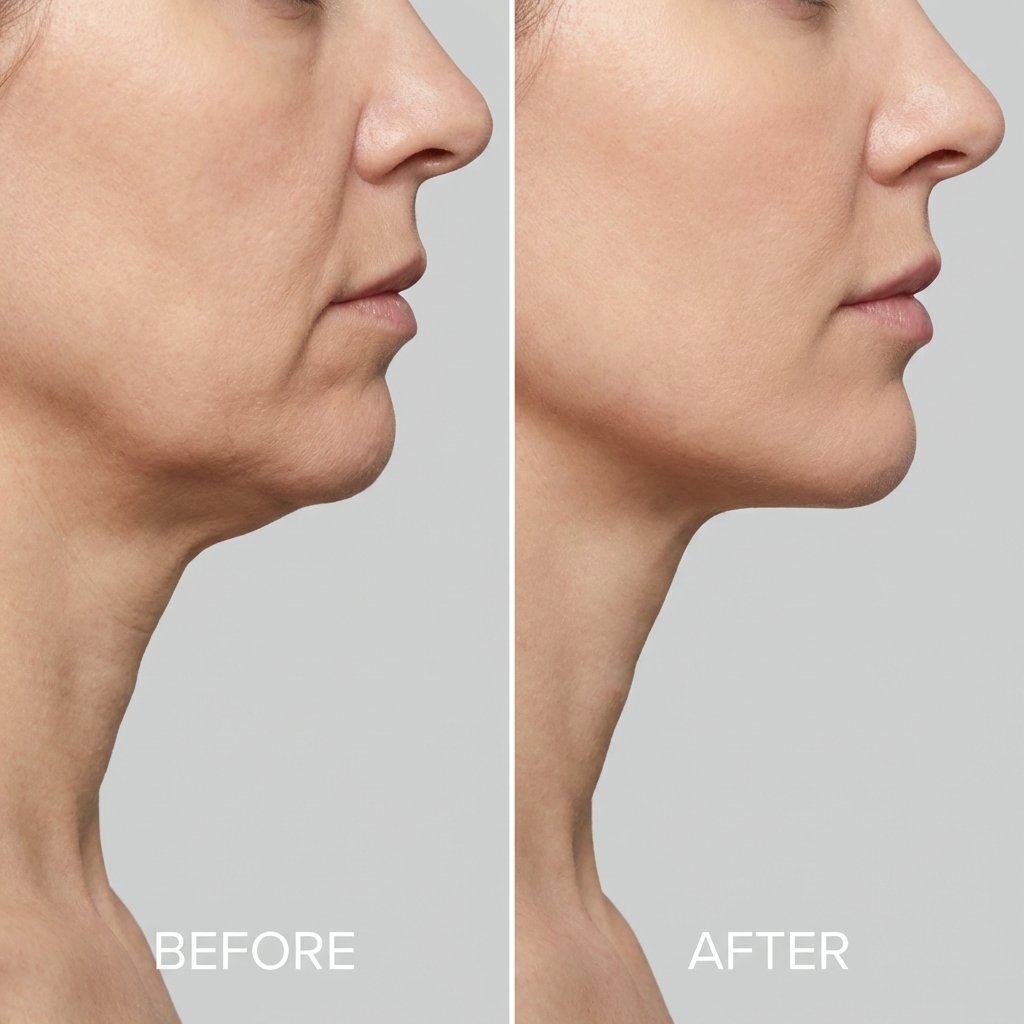
Threads are minimally invasive, but they are still a medical procedure. Understanding recovery and risks in advance helps you plan and stay safe.
The First Few Days
Swelling, bruising, tenderness and a feeling of tightness are common, and usually peak in the first few days. You may notice small dimples or puckering that often settle as the swelling reduces.
Cold compresses and rest, as advised by your doctor, can help.
Aftercare Rules
Doctors commonly advise sleeping on your back with your head slightly elevated, avoiding extreme facial movements such as wide yawning or vigorous chewing, and skipping facial massages, heavy exercise and dental work for a period.
Follow your clinic's specific instructions, as they depend on the technique used.
Possible Risks
Risks include bruising, swelling, asymmetry, dimpling, pain, infection and, rarely, thread visibility, migration or nerve irritation. Some people may need a correction or removal of threads.
Choosing an experienced doctor reduces, but does not eliminate, these risks.
Warning Signs
Increasing pain, spreading redness, warmth, discharge, fever, or a thread that feels like it is coming through the skin should be reported to your clinic immediately.
Do not try to fix or remove anything yourself.
Results Timeline
Initial lift is often visible once swelling settles, followed by gradual improvement as collagen builds. Results commonly last around a year to eighteen months, depending on the individual.
Maintenance and sun protection help prolong the effect.
Book a Consultation at Our Delhi Head Office
Visit Rupayna Luxe Skin, Hair & Laser Clinic at E-492, Inder Mohan Bhardwaj Marg, Block E, Greater Kailash II, New Delhi 110048. Our secondary office is in Mumbai — call 7378-626348 to check availability there.
Explore Cog Thread LiftAreas We Serve Near Our Delhi Head Office (GK2)
Frequently Asked Questions
When can I go back to work?
Many people return within a few days, depending on bruising and the demands of their work.
Can I get fillers or HIFU after threads?
Often yes, but timing matters. Your doctor will advise when it is safe.
This article is for general information only and is not a substitute for a medical consultation. Suitability, risks and outcomes vary from person to person and should be assessed by a qualified doctor.