Acne is common but not trivial. The right questions at your first visit can save months of trial and error and help you protect your skin from scarring.
What Type of Acne Do I Have?
Whiteheads and blackheads, inflamed papules, pustules, deep cystic lumps and hormonal flare-ups all behave differently. A proper diagnosis guides treatment, so ask the doctor to explain what they see.
What Is Causing It?
- Hormonal changes, including conditions such as PCOS
- Excess oil and blocked pores
- Products or cosmetics that clog pores
- Stress, sleep, diet and certain medicines
Not every case has one cause, but understanding the main driver changes the plan.
What Are My Treatment Options?
Options can include topical medicines, oral medicines when needed, in-clinic treatments such as peels or HydraFacial-type cleansing, and lifestyle changes. Ask why a particular option is recommended for you and what the alternatives are.
Oral medicines should only be started after medical assessment and with follow-up.
How Long Before I See Improvement?
Acne treatment is rarely instant. Many people need several weeks before they notice a clear change, and some conditions need months. Ask for a realistic timeline and when you should review progress. Be wary of promises of overnight clearing.
Habits That Make Acne Harder to Treat
Over-washing, scrubbing, using harsh toners and switching products every week can irritate skin and slow progress. So can covering acne with heavy, pore-clogging makeup, or applying toothpaste and other home remedies that burn the skin.
A simple routine, a gentle cleanser, an appropriate moisturiser, a medicated product when prescribed and a daily sunscreen is a better foundation than a long list of products. Consistency matters more than variety.
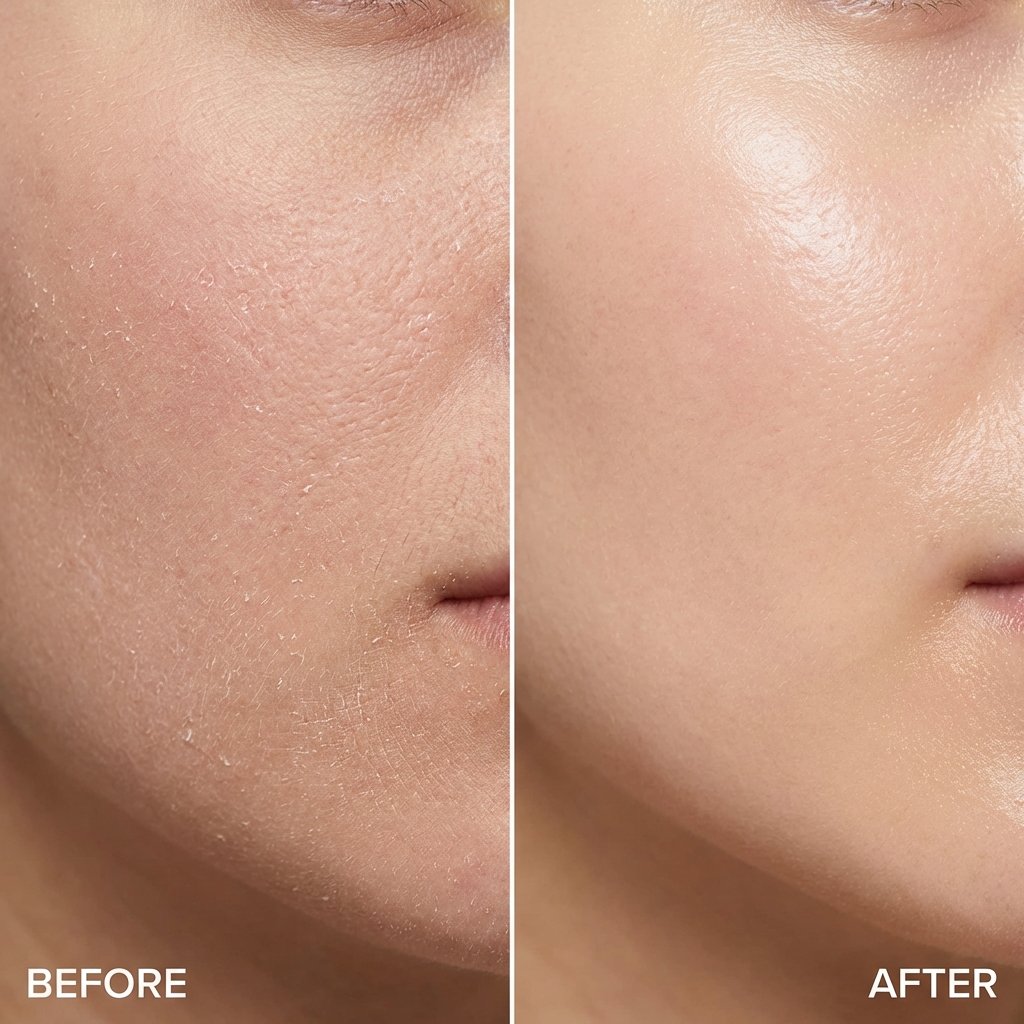
If you are using treatment creams, expect that some can cause dryness or peeling at first. Tell your doctor if irritation is troublesome so the plan can be adjusted rather than abandoned.
How Do I Prevent Marks and Scars?
- Do not pick or squeeze lesions
- Use sunscreen daily, since sun darkens marks
- Treat inflamed acne early to reduce scarring risk
- Ask about plans for marks and scars once acne is controlled
Rupayna's Greater Kailash II clinic offers acne assessment and treatment planning with follow-up, so your plan can change as your skin does.
Ready to Get Started?
Book a doctor-led consultation at Rupayna in Greater Kailash II, New Delhi. Your skin or hair is assessed first, and a plan is discussed with you before anything starts.
Book a ConsultationAreas We Serve Near Our GK2 Clinic
Frequently Asked Questions
Can diet cause acne?
Diet can play a role for some people, but it is rarely the only factor. A doctor can help you judge what is relevant to you.
Is it safe to use multiple acne products together?
Mixing actives can irritate skin. Ask the doctor which products to combine and which to avoid.
Will acne leave scars?
Not always, but deep or picked acne is more likely to. Early, proper treatment lowers the risk.
Can acne treatment be done during pregnancy?
Some medicines are not suitable in pregnancy. Please tell the doctor if you are pregnant or planning pregnancy.
This article is for general information only and is not a substitute for a medical consultation. Suitability, risks and outcomes vary from person to person and should be assessed by a qualified doctor.